Which Insulation Is Right for You? A Practical Guide for DIYers and Contractors
Choosing insulation can feel overwhelming. With so many materials, R-values, and installation methods available, it’s easy to assume there’s one “best” option that works everywhere. In reality, insulation is highly situational. What performs well in an attic may not be the right choice for a basement, and what works for a DIY weekend project may differ from what a contractor specifies for a full build.
Understanding the strengths and limitations of common insulation types can help you make smarter decisions, avoid common mistakes, and get better long-term performance from your investment. Whether you’re insulating a single room or planning a larger project, this guide breaks down the most common insulation options and explains where each one works best.
Fiberglass Insulation: A Reliable Starting Point
Fiberglass insulation is one of the most widely used insulation materials in residential and light commercial construction. It’s available in batts, rolls, and loose-fill forms, making it adaptable to many applications.
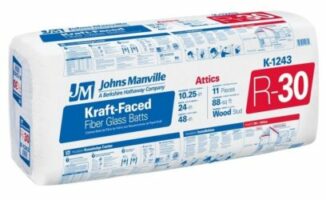
For DIY projects, fiberglass batts are often the easiest place to start. Pre-cut sizes fit standard wall and ceiling cavities, and installation is straightforward when framing is exposed. Kraft-faced batts include a built-in vapor retarder, while unfaced batts offer more flexibility when layering insulation or working in spaces where moisture control is handled separately.
From a contractor’s perspective, fiberglass remains popular because of its predictable performance, wide availability, and cost-effectiveness. It performs well in standard framing layouts when installed carefully and paired with proper air sealing.
Installation quality matters with fiberglass. Gaps, compression, or poorly sealed edges can reduce effectiveness. While fiberglass is non-combustible and resists mold growth, it does not stop air movement on its own. For best results, it’s often paired with caulking, foam sealants, or other air-sealing methods.
Fiberglass is commonly used in walls, ceilings, attics, and basements. This makes it a dependable all-around option when accessibility and budget are key considerations.
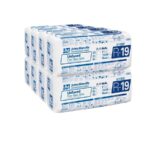
At LENCO Supplies, we carry a wide range of fiberglass insulation options, including kraft-faced and unfaced batts as well as basement wall insulation, making it easy to find the right fit for your project.
Mineral Wool Insulation: Built for Fire, Moisture, and Longevity
Mineral wool insulation, often referred to as rock wool, is manufactured from stone fibers and offers performance characteristics that set it apart from fiberglass. It is denser, more rigid, and naturally resistant to fire and moisture.
For DIYers, mineral wool batts can be easier to install in certain situations. Their stiffness allows them to friction-fit into wall cavities without sagging, and they do not absorb water. This makes mineral wool a strong choice for basements, utility rooms, and areas where moisture exposure is a concern.
Contractors often specify mineral wool for its fire resistance and long-term durability. It maintains its shape over time, resists mold growth, and performs consistently in demanding environments. These traits make it especially suitable for exterior walls, mechanical rooms, and multi-family construction.
The main tradeoff is cost. Mineral wool typically costs more than fiberglass and is heavier to handle. However, in applications where moisture tolerance or fire safety is critical, the added performance can outweigh the higher upfront expense.
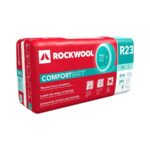
LENCO offers mineral wool insulation in multiple thicknesses and sizes, making it easy to choose the right option for walls, basements, and other high-performance applications.
Spray Foam Insulation: When Air Sealing Matters Most
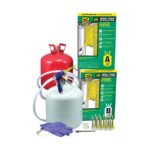
Spray foam insulation is valued not only for its insulating properties, but for its ability to seal air leaks. Applied as a liquid that expands and hardens in place, spray foam fills gaps and irregular cavities that traditional insulation may leave exposed.
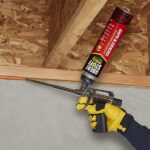
For DIY use, small spray foam kits and can-applied sealants are commonly used around rim joists, plumbing penetrations, and window or door openings. These targeted applications can dramatically reduce drafts and improve overall energy efficiency without requiring a full foam installation.
From a contractor’s standpoint, spray foam is an effective solution for controlling air movement and moisture. Closed-cell spray foam offers a high R-value per inch and adds structural rigidity, while open-cell foam provides air sealing with greater vapor permeability. Because of cost and installation requirements, spray foam is often used selectively rather than throughout an entire structure.
Spray foam does have limitations. It is more expensive than other insulation types, typically requires professional installation for large applications, and can make future modifications more difficult. When used intentionally, however, it solves problems that other insulation methods cannot.
For air sealing and targeted insulation needs, we carry professional and DIY spray foam kits, along with window, door, and fireblock foam sealants designed for precise applications.
Rigid Foam Board Insulation: Consistent Coverage and High R-Value
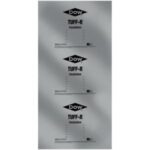
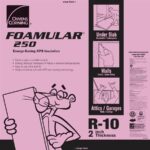
Rigid foam board insulation provides reliable thermal performance and consistent thickness. Available in materials such as expanded polystyrene, extruded polystyrene, and polyisocyanurate, foam boards are used across a wide range of residential and commercial applications.
DIYers often choose rigid foam boards for basements, garages, and foundation walls where moisture resistance is important. Boards are easy to cut and install, making them practical for flat surfaces or projects where continuous insulation is needed.
Contractors rely on rigid foam to reduce thermal bridging and improve overall building efficiency. When installed over framing or on exterior walls, foam board helps create a continuous insulation layer that complements cavity insulation.
Proper installation is essential. Seams should be sealed, and interior applications may require a fire-rated covering depending on building codes. When used correctly, rigid foam board insulation offers predictable, long-lasting performance.
LENCO Supplies stocks rigid foam insulation boards in a variety of thicknesses and R-values, including foamcore and styrofoam panels suitable for foundations, walls, garages, and other demanding areas.
How to Decide Which Insulation Types are Right for Your Project
Choosing the right insulation starts with understanding the space you’re working in. Attics often benefit from fiberglass batts or loose-fill insulation, while basements and crawl spaces typically require materials that tolerate moisture, such as mineral wool or rigid foam. Wall assemblies may need a balance of thermal performance, fire resistance, and ease of installation.
Other factors include exposure to moisture, air leakage concerns, and fire safety requirements. Whether the project will be completed by a homeowner or a professional matters too. Finally, while budget does play a role, long-term performance should always be considered alongside upfront cost.
In many cases, combining insulation types delivers the best results. For example, fiberglass batts can insulate wall cavities while spray foam or rigid foam addresses air leakage and thermal bridging. Using the right materials together leads to better efficiency and fewer problems down the line.
If you’re unsure which insulation products best match your space, LENCO’s insulation selection makes it easy to compare options and choose materials that fit both your performance needs and your installation approach.
Final Thoughts
Insulation is not about choosing a single product and using it everywhere. It’s about selecting materials that fit the demands of each space. By understanding how different insulation types perform, you can make informed choices that improve comfort, efficiency, and durability.
Whether you’re taking on a DIY project or managing a larger build, LENCO Supplies offers a wide range of insulation solutions for residential and commercial needs. Browse our insulation selection online or at one of our three retail locations, or speak with a LENCO expert to find the right materials for your project and get the job done right the first time.